
Here are the steps to maintain a green lawn in March:
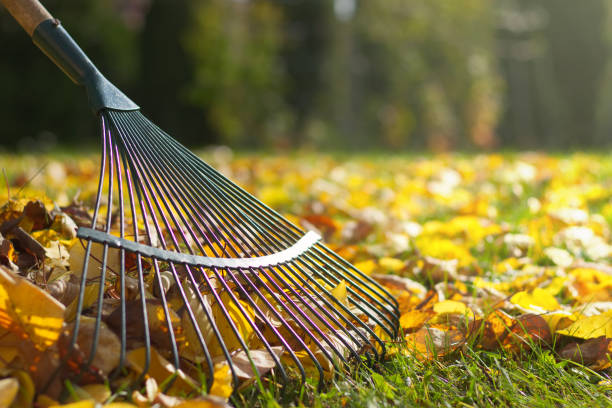
- Clean Up Debris: Once the ground has thawed, remove dead leaves, twigs, and other debris from the lawn using a rake to allow grass to access air and sunlight.
- Fertilization: Delay heavy fertilization until later in spring unless a soil test indicates immediate need. If applying now, use a light, slow-release nitrogen fertilizer toward late March to avoid overstimulating the grass.
- Watering: Limit watering in March due to typical moisture levels. Only water during an unusual dry period, and do so in the morning to prevent excess moisture overnight, which can lead to disease.
- Aeration: Aerate the lawn if the soil is compacted. Use a manual or rented machine to create holes, improving air, water, and nutrient penetration to the roots. Early spring is an optimal time for this task.
- Overseeding: Address thin or patchy areas by overseeding after aeration. Use a grass seed mix suited to the region, such as Kentucky bluegrass or tall fescue. Keep the seeded areas consistently moist during germination.
Implement these practices based on your lawn’s current condition and local weather patterns for best results.
 Seneca Lawncare
Leave a comment